
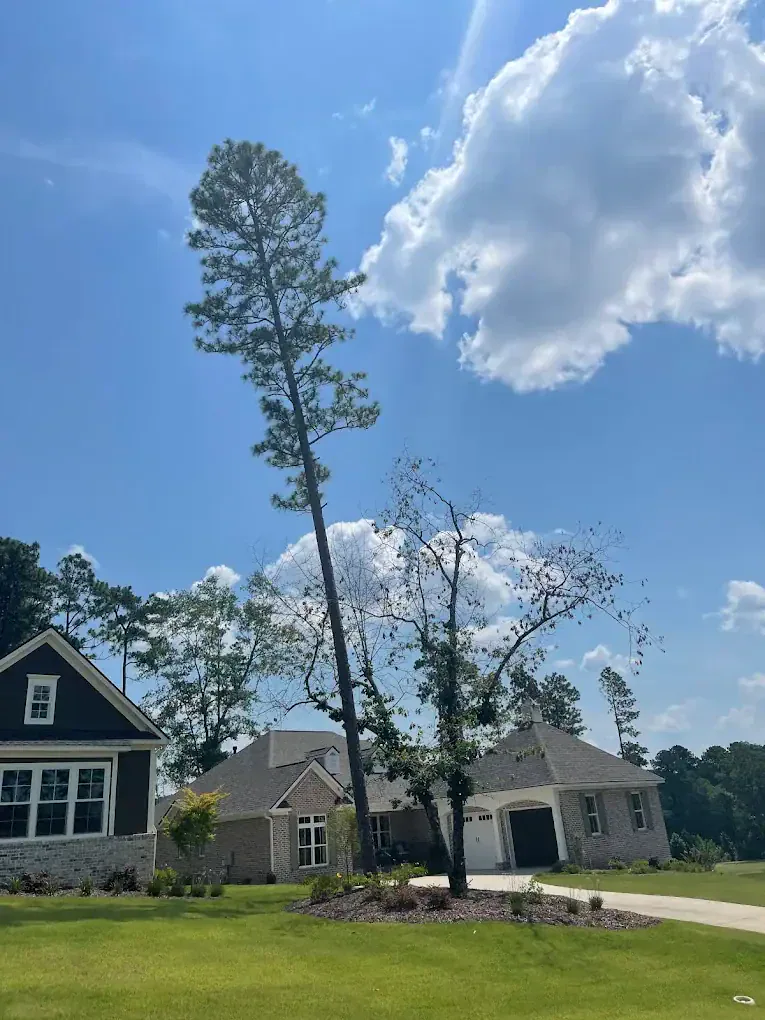
A tree that tilts toward your house or driveway feels threatening as storm season approaches, and leaning tree removal is often the first idea that comes to mind. Many homeowners worry about sudden failure during high winds or heavy rain, and the uncertainty can make it hard to know the right step to take. This introduction will walk through practical ways to evaluate risk, consider alternatives, and decide whether removal is the safest course.
Leaving a visibly leaning tree unchecked can increase the chance of property damage, injury, or expensive emergency work when a storm hits. It is also stressful to balance safety concerns with the desire to preserve trees that still have value. The right approach depends on a careful, on-site assessment of the tree, its root system, surrounding structures, and the typical storms in your area.
This guide explains clear factors to weigh, what professionals look for, and interim measures to reduce risk if you cannot remove a tree before storm season. You will learn how local professionals assess hazards, when to plan for removal, and how emergency crews handle urgent situations safely.
When a Leaning Tree May Need to Be Removed
If a tree is actively moving, has exposed or lifted roots, or leans more than it used to after recent storms, removal becomes the safer option. Those signs often indicate the tree may not withstand upcoming winds or saturated soils and could fail unpredictably during storm season. Assessing risk involves looking at the tree itself and what is nearby, including houses, cars, utility lines, and gathering areas.
When a leaning tree is in a location where failure would create a hazard, removal may reduce the chance of an emergency situation. Conversely, not every lean requires removal; some trees lean naturally or have adapted after past disturbance. A measured evaluation helps determine whether the lean is stable, worsening, or the symptom of root or trunk decline.
Signs Leaning Tree Removal May Be Necessary
Remove a leaning tree when it shows progressive decline, root heave, or severe trunk damage that compromises stability. Visible root plate lift, deep cracks in the trunk, fungal conks, or large cavities that affect more than a small portion of the stem are strong warning signs. In these cases, the structural integrity of the tree is compromised and the likelihood of failure increases during storms.
Another clear indicator is if the lean has increased recently or the tree no longer responds to pruning efforts intended to rebalance canopy weight. Urban trees that have lost supporting roots due to excavation, grade changes, or chronic wetness deserve particular attention. When a leaning tree is adjacent to buildings, vehicles, or high-traffic areas, the tolerance for risk is low and removal is often the responsible decision.
What Makes a Leaning Tree Dangerous?
A leaning tree becomes hazardous when multiple risk factors combine to reduce the tree’s ability to withstand wind and saturated soils. These include root damage from construction, compacted soils that limit root anchorage, decay fungi attacking the buttress roots or lower trunk, and waterlogged ground that undermines stability. Trees with large canopies and heavy limbs can act like sails and create leverage that accelerates failure.
Dead or weakened branches add to the danger because they can break and fall before the main trunk fails, creating unpredictable hazards in storms. Electric lines or weak structures near the lean axis magnify risk because an unpredictable failure path might involve utility infrastructure or occupied spaces. Evaluating these risk combinations is a central part of a professional hazard assessment.
How Professionals Assess a Leaning Tree
Qualified arborists begin with a visual inspection, checking the trunk for cracks, cavities, and fungal fruiting bodies. They examine the root flare to see whether the roots spread properly and look for soil heave or exposed roots that indicate the root plate is shifting. Arborists also test for recent change by comparing lean angles with photographic records or neighbor reports and by noting fresh wound patterns.
If an arborist needs more detail, they may perform targeted soundings of the trunk to detect internal decay or recommend further diagnostics. In some circumstances, arborists can suggest mitigation measures that preserve the tree while reducing failure risk. For example, in some cases, arborists can install support systems such as cabling or bracing to stabilize vulnerable limbs and reduce the risk of storm-related breakage. These measures are situational and depend on species, age, and the extent of structural weakness.
Reducing Risk When Removal Cannot Be Done Before a Storm
Reduce immediate risk by removing dead wood and reducing canopy sail area through targeted reduction pruning performed by trained professionals. Proper pruning can rebalance weight distribution and remove hazardous limbs that are most likely to fail in winds. For trees that are leaning but otherwise healthy, controlled pruning can extend the time before removal becomes necessary, while keeping the tree safer through the season.
Keeping the area beneath the tree clear of items that could be struck or crushed also reduces potential consequences if a failure occurs. If a leaning tree threatens active living spaces, consider temporarily relocating vehicles, play equipment, or outdoor gatherings away from the potential fall zone. Professional crews can also advise on soil drainage improvements or root protection measures that reduce further decline.
What to Expect During Leaning Tree Removal
Safe removal of a leaning tree begins with a plan that considers the tree size, lean direction, nearby structures, and the best method of control. Skilled crews use progressive reduction techniques, removing limbs systematically to reduce canopy weight while maintaining control of the lean. For complicated removals near structures or over buildings, crane-assisted tree removal is sometimes necessary to lower sections safely in confined spaces.
When a tree shows advanced decay or is in a high-risk position, crews follow strict safety protocols to prevent property damage and injury. Proper rigging, use of directional cuts, and staged lowering keep branches from swinging or dropping unpredictably. Teams also protect lawns, driveways, and landscaping from equipment damage, and they clean the site after the work is complete, leaving the property tidy.
Emergency Tree Removal During Storms
If a leaning tree fails or poses an immediate threat during a storm, emergency tree crews prioritize life safety and critical infrastructure protection. They stabilize the site as much as possible, remove hazardous limbs that could cause imminent collapse, and secure structures if feasible until full repairs or removal can be completed safely. Emergency crews follow different protocols than routine maintenance teams because timing, weather, and access shape what can be done safely.
Planning ahead reduces the need for dangerous emergency responses by identifying hazardous trees before storms arrive. In urgent situations where a tree has already damaged a structure or endangers occupants, reaching out to emergency tree service professionals provides rapid evaluation and stabilization. Local knowledge about storm patterns, soil behavior, and typical failure modes helps crews act quickly and appropriately.
Monitoring a Leaning Tree Before Storm Season
Start with regular inspections in the months before storm season to document changes in lean, root exposure, and canopy health. Photographs taken at intervals help professionals judge whether the situation is stable or worsening. Scheduled pruning and targeted corrective work such as reducing weight on the side of the lean can buy time while avoiding unnecessary removal.
If you plan to retain a tree through storm season, establish a monitoring routine for heavy rains and high winds. Look for new cracks, increased tilt, or soil heave after storms and report changes promptly to a professional. When immediate removal is not an option, being proactive limits surprise failures and reduces the scope of emergency interventions.
When to Call a Tree Care Professional
For maintenance that reduces tree risk, seek qualified pruning that follows proper structural methods and promotes long-term tree health by using professional tree trimming and pruning techniques aligned with industry standards. If a tree becomes unstable during a storm or you need urgent care, emergency tree removal and storm tree assistance can provide short-term stabilization and safe mitigation. For full removals of trees that are unsafe or too close to structures, professionals trained in safe tree removal for hazardous trees have the experience and equipment to complete the work with protection for property and people.
Related Resources for Leaning and Hazardous Trees
For more detail, review Causey’s Tree Care’s professional tree trimming and pruning page and its emergency tree removal and storm tree assistance resource before making a final plan. These pages provide additional context about the services and decisions discussed above, while keeping the focus on what applies to your property and priorities.
You can also explore safe tree removal for hazardous trees when that aspect of the project affects your situation. For independent background, In some cases, arborists can install support systems such as cabling or bracing to stabilize vulnerable limbs and reduce the risk of storm-related breakage. offers high-authority educational guidance that supports a careful, informed decision.
Frequently Asked Questions
1. How Do I Know if My Leaning Tree Needs Immediate Removal?
Causey’s Tree Care in Olar, SC evaluates immediate removal need based on signs like exposed roots, rising root plates, and large trunk cracks. If those indicators are present and the lean angle is increasing, removal may be the safest option. Causey’s Tree Care documents changes and advises property owners on the urgency and options available. Local conditions in Olar, SC, such as soil type and past storms, also influence the assessment.
2. Can Pruning Fix a Leaning Tree?
Causey’s Tree Care in Olar, SC will assess whether targeted pruning can rebalance the canopy and reduce failure risk before recommending removal. In some cases, well-executed pruning delays removal and lowers immediate hazard without compromising tree health. However, severe root or trunk damage often means pruning is only a temporary measure. Causey’s Tree Care explains the expected lifespan and monitoring needed so Olar, SC property owners can plan responsibly.
3. What Happens During Emergency Tree Removal After a Storm?
Causey’s Tree Care in Olar, SC first secures the area to protect people and property and then performs staged reductions to stabilize the tree. The crew prioritizes hazards, such as downed limbs on structures or live power lines, and coordinates with utility crews if needed. Work proceeds under safety protocols designed for storm conditions, and Causey’s Tree Care documents the situation for follow-up work and insurance purposes. Olar, SC residents receive guidance on next steps once the immediate danger is addressed.
4. Will Removing a Leaning Tree Damage My Lawn or Driveway?
Causey’s Tree Care in Olar, SC plans removals to minimize damage to turf, beds, and hardscapes by using protective mats and careful equipment placement. For complex removals, Causey’s Tree Care may use crane-assisted techniques or staged lowering to prevent heavy equipment from crossing delicate surfaces. Crews also tidy the site after work to restore the property to a neat condition. Olar, SC property owners can expect a cleanup process that respects the landscape and reduces visible disturbance.
Conclusion
A leaning tree does not automatically need to be removed before storm season, but changes in the lean, lifted roots, trunk damage, decay, or a dangerous position near people and property can make removal the safer choice. Homeowners in Olar, SC should pay particular attention to trees that become less stable after heavy rain or storms and have them professionally assessed before conditions worsen.
Causey’s Tree Care Is Ready to Help in Olar, SC
Causey’s Tree Care brings local experience and professional standards to leaning tree assessments, removals, and emergency work in Olar, SC. If you need help deciding whether to remove a leaning tree before storm season, use the company website or contact form to request an assessment or to learn about options. The team can explain risks, mitigation strategies, and timing so you can choose the safest path for your property. Use the website to submit photos or details and get a clear next step.