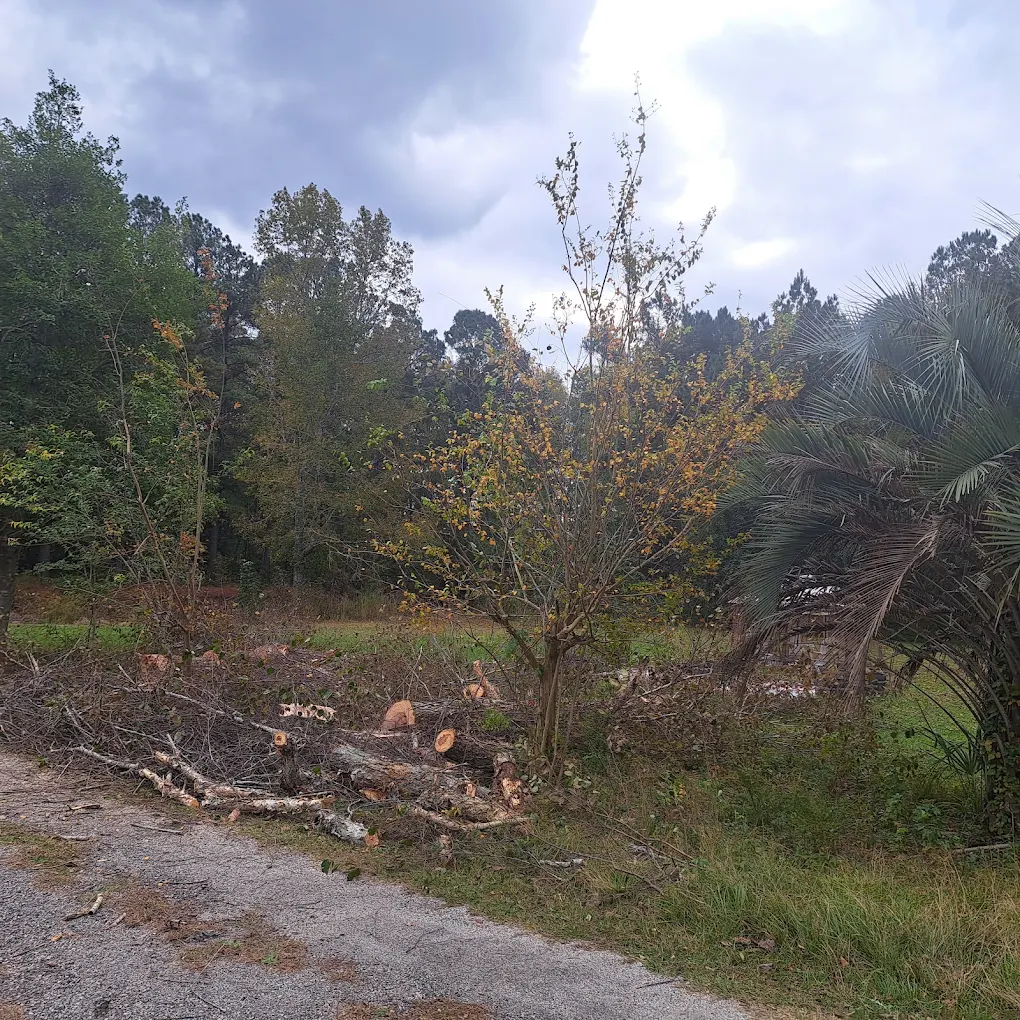
Trees in Olar, SC, and surrounding areas often show distress during hot, dry summers, and it can be hard to tell Dead Tree Signs from temporary stress. Many homeowners worry that a tree with drooping leaves or sparse foliage is dying when it may simply be struggling and could recover with the right care.
Ignoring the warning signs can allow a hazardous tree to become unstable and risky during storms, and misreading the signs can lead to unnecessary removal of a tree that might have been saved. Many of the visual cues are subtle, and weather patterns, pests, and soil conditions all change how a stressed tree looks compared with one that is truly dead.
This guide lays out clear, practical observations and steps you can use to tell if a tree is dead or only stressed by heat, pest pressure, or drought. It also explains when a professional tree inspection is the right next step, and it points to local resources in Barnwell County and neighboring communities that can help assess hazardous tree concerns.
Quick Answer: Dead Tree Signs vs Heat Stress
The easiest way to tell is that dead trees show persistent structural failure while stressed trees still show life in the root system or buds. If a tree has no buds, brittle twigs, and dry wood that crumbles, those are strong Dead Tree Signs pointing to death rather than seasonal stress.
A stressed tree will often rebound if you relieve the stressor, such as by improving soil moisture, adjusting mulch, or pruning damaged limbs carefully. Conversely, a tree that has died will not form new buds or produce healthy leaves in the expected growing season, and its structural integrity may be compromised in ways that create hazards.
Look for the Most Reliable Physical Dead Tree Signs
The most reliable physical Dead Tree Signs include brittle branches that snap cleanly, lack of green tissue under the bark, and visible decay or extensive fungal fruiting bodies. These physical cues are easier to assess with a basic inspection and they often tell the true story even when foliage is confusing.
Check branches by performing a simple scratch test: remove a small strip of bark on a twig down to the cambium to see if the tissue beneath is green and moist or brown and dry. If most twigs show brown, dry tissue and there is no sign of cambial activity in spring, that suggests the tree is not recovering from stress and may be dead.
Another strong indicator is the presence of conks, mushrooms, or soft rot around the trunk or major limbs, which points to internal decay and structural weakness. Combined with major cracking or a trunk that sounds hollow when tapped, these signs suggest the tree may pose a hazard and require professional assessment.
Seasonal and Environmental Clues That Point to Stress, Not Death
If a tree has leaf scorch, wilting, or early leaf drop during heat waves, those are usually stress reactions rather than absolute Dead Tree Signs, especially if buds and roots remain viable. Summer heat and drought can cause dramatic but reversible symptoms in otherwise healthy trees.
Observe timing: a stressed tree often leafs out poorly or late during the following season but still presents some live buds or new growth points, whereas a dead tree shows no new shoots or green cambium after the normal bud-break window. Soil conditions matter too; compacted, poorly draining, or overly dry soils increase stress but do not necessarily mean a tree is dead.
In some cases, arborists can install support systems such as cabling or bracing to stabilize vulnerable limbs and reduce the risk of storm-related breakage. These mechanical measures are helpful for trees that are structurally compromised but still alive, and they are one option among treatments to preserve valuable specimens while addressing hazardous tree concerns.
Assessing Crown, Bark, and Root Indicators
Crown dieback that progresses from branch tips inward, large areas of bark splitting, and root collar problems are clear signals that you should consider a professional tree inspection. The pattern of decline tells a trained observer whether the tree is trying to recover or if internal systems have failed.
Crown health: look for dieback patterns, whether death started at the top or bottom, and whether any lateral limbs are producing healthy shoots. A crown that is mostly dead with only a few live branches is often a candidate for removal because of the risk of sudden failure.
Bark and roots: sunscald, deep fissures, or lifted roots around the base are indicators of compromised vascular flow or root health, which often portend long-term decline. Roots that are cut or girdled, whether by construction activity or lawn equipment, reduce water uptake and make a tree more likely to die, especially during high heat and drought.
When to Consider a Professional Tree Inspection and Possible Removal
If you see multiple Dead Tree Signs, or you have concerns about structural failure near homes, vehicles, or utility lines, schedule a professional tree inspection rather than guessing about removal. A trained crew can document hazard factors and recommend safe options that protect property and people.
Professional inspectors will look for root plate instability, internal decay, and defects that increase the risk of sudden failure, and they will evaluate whether corrective pruning or tree preservation is feasible. If removal is required because the tree poses a danger, reputable companies offer safe tree removal for hazardous trees that prioritize controlled procedures to protect surrounding property.
Emergency situations require a rapid response, and trained teams can provide emergency tree removal and storm tree assistance when a tree has fallen or presents an immediate threat after weather events. Rapid assessment and safe techniques reduce the chance of secondary damage and restore safe conditions for your property after high winds or heavy rain.
Practical Steps You Can Take Before Calling an Arborist
Start with careful observation and basic care measures, because many trees stressed by summer heat will recover with water, mulch, and targeted pruning. These steps can buy time while you monitor for clear Dead Tree Signs or arrange a professional inspection.
Watering strategy: deep, infrequent irrigation during drought supports root recovery better than frequent shallow watering, and proper mulching helps retain moisture and protect roots from temperature extremes. Avoid piling mulch against the trunk and do not excavate around roots, as both actions can harm root health and increase stress.
Pruning and maintenance: remove only dead or broken branches and avoid excessive thinning that can expose sensitive tissue to sun and heat. If pruning needs exceed simple tidying, work with a team experienced in professional tree trimming and pruning to preserve structure and long-term health.
Understanding Hazardous Tree Concerns in the Local Landscape
A hazardous tree is one where the likelihood of failure meets a target with high value, such as a house, driveway, or frequently used yard, and those situations demand a professional evaluation. Local conditions in Barnwell County and nearby areas can combine heat stress, soil compaction, and storm exposure to make some trees more vulnerable.
Hazard assessment considers the tree species, age, size, and the presence of decay or cracks, plus site factors such as slope and wind exposure. When a tree is determined to be hazardous, the focus shifts from preservation to safe removal and mitigation to prevent injury or property damage, and that decision is best made with clear documentation and expert judgment.
If a tree has visible rot, large cavities, or substantial limb loss, it may qualify as hazardous, and removal should be handled with techniques that protect nearby landscaping, driveways, and structures. For complex removals in tight spaces or near utilities, crane-assisted or other specialized methods may be necessary to control the fall path and ensure public safety.
Signs That Warrant Immediate Action After a Storm
If a tree shows major trunk splitting, root plate heaving, or large limbs hanging that could fall, take immediate steps to secure the area and contact professionals for safe resolution. Post-storm damage can rapidly increase risk because weakened trees can fail long after the weather event.
Look for cracks that run deep into the trunk, whole sections of bark missing, or roots exposed and pulled from the soil; these are signs of a compromised anchor system. When a tree is leaning more than before, or when a large branch is suspended over a structure, you should treat it as a hazardous condition and seek emergency assistance.
For urgent situations, crews that provide emergency tree removal and storm tree assistance have the training and equipment to remove hazards safely and to stabilize surrounding trees where needed. Timely action prevents secondary damage as soil moisture, wind, and subsequent storms test already weakened trees.
How Tree Removal Decisions Tie Into Property Care
Choosing removal is not just about clearing a problem tree; it is about protecting the entire property from damage and creating conditions for healthy replacements when appropriate. Proper removal avoids unnecessary harm to lawns, driveways, and nearby plants, and it allows for planned restoration of the landscape when needed.
Experienced crews plan access, protect root zones of nearby trees, and clean up debris to minimize long-term impacts on the property. When a site is prepared thoughtfully after a removal, it can be the starting point for planting a more suitable species or for landscape revisions that reduce future stress and hazard potential.
Related resources for next steps
For more detail, review Causey’s Tree Care’s professional tree trimming and pruning page and its emergency tree removal and storm tree assistance resource before making a final plan. These pages provide additional context about the services and decisions discussed above, while keeping the focus on what applies to your property and priorities.
You can also explore safe tree removal for hazardous trees when that aspect of the project affects your situation. For independent background, In some cases, arborists can install support systems such as cabling or bracing to stabilize vulnerable limbs and reduce the risk of storm-related breakage. offers high-authority educational guidance that supports a careful, informed decision.
Frequently Asked Questions
1. How quickly can Causey’s Tree Care determine if my tree in Olar, SC is dead or just heat-stressed?
Causey’s Tree Care in Olar, SC typically begins with a visual and tactile inspection to check for Dead Tree Signs like brittle branches and brown cambium. That initial assessment often gives a clear direction within a single visit, though sometimes monitoring through a growing season is recommended. If symptoms are ambiguous, the team will document findings and recommend follow-up checks or treatments based on local conditions.
2. What evidence does Causey’s Tree Care look for to recommend removal in Barnwell County?
Causey’s Tree Care in Olar, SC looks for structural failures such as large trunk cracks, fungal conks, root plate heave, and widespread crown dieback before recommending removal. Those factors together suggest the tree may be a hazard, and the company records these observations to support a safe plan. Recommendations also reflect proximity to structures and the likelihood of failure during storms.
3. Can Causey’s Tree Care save a valuable tree that is stressed by summer heat in Olar, SC?
Causey’s Tree Care in Olar, SC will try preservation options when a tree still shows life and structural soundness, using targeted pruning, mulch and irrigation guidance, or bracing if appropriate. Their team evaluates whether corrective action has a reasonable chance of success given the tree species and degree of decline. For trees with reversible stress, the emphasis is on restoring vigor while minimizing further risk.
4. What should I do immediately if a large limb falls near my house during a storm in Olar, SC?
If a limb falls near your house, keep people and pets away from the area and call a professional for assessment right away; Causey’s Tree Care in Olar, SC responds to storm-related hazards and can evaluate stability. Do not attempt to remove large limbs yourself because of hidden tensions and the risk of secondary collapse. Document the damage for insurance and follow professional guidance for safe removal and cleanup.
Conclusion
Understanding Dead Tree Signs starts with clear information, realistic priorities, and attention to the details that affect your property. Homeowners in Olar, SC can use the points in this guide to compare options, ask better questions, and make a confident next decision.
Causey’s Tree Care Is Ready to Help in Olar, SC
Causey’s Tree Care brings years of local experience to evaluate Dead Tree Signs and to handle hazardous tree concerns safely in Olar, SC. If you need a professional tree inspection or have an urgent storm-damaged tree, use the company website or the contact form to request an assessment. The team can help prioritize safety and next steps while protecting your property through careful planning and experienced execution.