
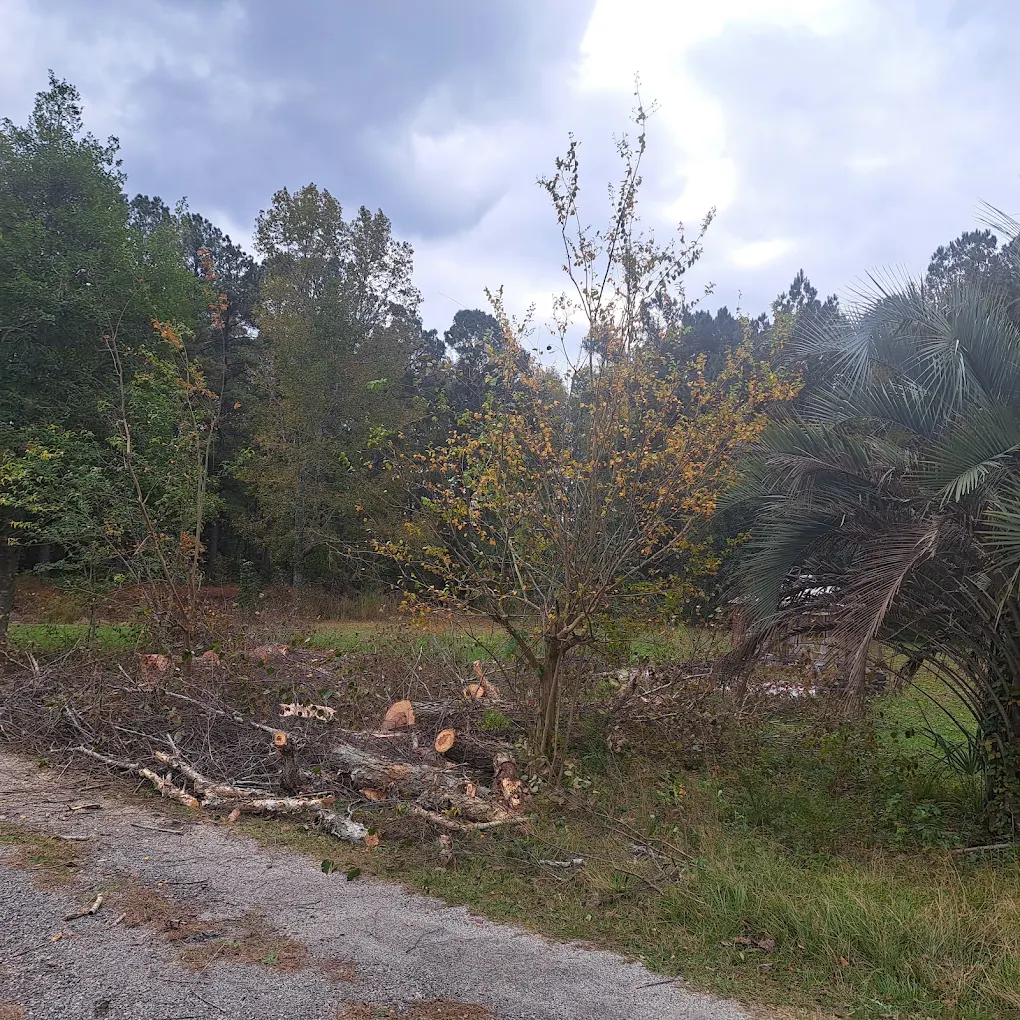
Do dead trees attract termites? Many homeowners in Barnwell, Aiken, and Bamberg Counties often ponder this question, especially when faced with a dying or already deceased tree on their property. Here’s the short answer: absolutely. Dead and decaying trees basically put out a welcome mat for termites, carpenter ants, and a whole bunch of other nasty pests. You’ve really got to understand why these pests love dead wood and the risks they pose to your home if you want to keep your property healthy and safe.
Addressing a dead tree promptly isn’t just about aesthetics; it’s a critical step in preventing costly pest infestations and ensuring your landscape’s overall well-being. Good tree services, like Causey’s Tree Care, give you expert advice and solutions for these kinds of hazards, which really helps protect your investment. With 16 years of hands-on experience, our team is dedicated to giving you total peace of mind with our safety-focused tree services.
Why Pests Can’t Resist Dead Wood
Dead trees, plus dead branches, stumps, and even just old woodpiles, are like a five-star resort for all sorts of wood-destroying critters. Decaying wood offers both shelter and a steady food supply, making it incredibly appealing for pests. Lots of homeowners are particularly worried about dead trees attracting termites because of how much damage these insects can do to a house. But termites aren’t the only problem; carpenter ants, beetles, and even fungi also thrive in these spots, which just speeds up the decay.
Wood’s cellulose is a main food source for many insects. As a tree dies, its natural defenses break down, making it much easier for pests to burrow in and set up shop. This decay also creates damp pockets, which are super attractive to pests that need moisture to survive and multiply. So, honestly, leaving a dead tree standing or a stump in place can accidentally create a pest haven right there in your yard.
Termites and Their Go-To Spots
Termites are social insects famous for eating wood, often without anyone noticing, which can lead to serious structural damage in homes. So, do dead trees attract termites? Yep, they sure do. These tiny but tough pests are drawn to dead trees because they’re a ready-made buffet of cellulose. There are a few types of termites, but subterranean termites, which live underground, especially love decaying wood that’s touching the soil.
These termites build mud tubes to commute between their underground nests and their food sources. This keeps them safe from predators and maintains the humidity they need. Drywood termites, on the other hand, can infest wood that’s not touching the ground, and a dead tree, especially one with exposed wood, offers them a perfect entry point to start a colony. No matter the type, a dead tree is basically an open invitation for these destructive insects to move in right near your house.
Other Pests That Love Dead Trees
While everyone asks “do dead trees attract termites?” it’s important to remember that termites are just one piece of the pest puzzle. Dead trees become magnets for a broader range of insects and organisms that can cause damage not only to the tree itself but also to nearby structures. Understanding these other pests helps you grasp the full risk of leaving dead wood on your property.
Carpenter ants? They’re another big problem. These guys don’t actually eat wood like termites do. Instead, they chew through it to carve out their nests, often hollowing out entire sections. They really love damp, decaying wood, which makes dead trees and stumps perfect spots for their colonies. Also, you’ll find wood-boring beetles, like powderpost and deathwatch beetles, laying their eggs right in dead wood. Their larvae then tunnel through the wood as they grow, causing tons of damage and leaving behind little exit holes full of powdery sawdust. Honestly, these pests can jump from a dead tree straight to your home’s wooden parts if the conditions are right, and that can lead to some serious structural headaches. [INTERNAL_LINK: tree removal cost guide | /tree-removal-cost]
How Decay Leads to Pesky Infestations
A dead tree starts decaying almost immediately after it dies, basically setting up the perfect scenario for pests. First, fungi and tiny organisms begin breaking down the wood, making it soft and moist. That softness makes it super easy for pests like termites and carpenter ants to bore in and set up shop. The longer a dead tree just sits on your property, the more it decays, becoming an even more inviting home for these destructive creatures.
Once pests get into a dead tree, their colonies can grow super fast, especially here in the warm, humid South Carolina lowcountry. As their numbers explode, these pests will naturally start looking for new food and nesting spots. If your home is close by and has accessible wood, well, it’s the next logical target. This is exactly why getting a dead tree removed promptly by professionals is such a crucial step to prevent your home from getting infested.
What’s at Risk for Your Home and Property?
Beyond the question of whether dead trees attract termites, having these pests near your house comes with some serious risks. Once they’re settled in a dead tree, termites and carpenter ants can easily move into your home. They often find their way in through spots that touch the ground, like foundations, decks, or even utility lines. This can lead to expensive, nasty damage to your home’s wooden structure, I’m talking about framing, flooring, and support beams.
Catching an infestation early can be tough, since many pests work from the inside out, showing very few external signs until the damage is already extensive. Fixing pest damage is incredibly costly; it often means structural repairs and chemical treatments. Plus, a dead or dying tree itself poses a risk. Weakened branches can snap off, or the whole tree could fall during a storm, smashing your house, your car, or even hurting someone. OSHA tree trimming safety guidelines stress how important professional assessment is for trees that are a hazard.
When Should You Get Rid of That Dead Tree?
Timely dead tree removal is essential for property protection. There are several clear indicators that it’s time to consider removing a dead tree from your property. Visible signs of decay, such as large areas of missing bark, extensive fungal growth on the trunk, or a hollow sound when tapping the tree, all point to a tree that has either died or is in severe decline. You might also notice a lack of leaves during the growing season or brittle branches that snap easily.
Another big sign is pests. If you spot mud tubes on the trunk, sawdust around the base, or hear rustling in the wood, those are strong indications of an active infestation. Even if you haven’t seen pests, an obviously dead tree is like a constant invitation. Getting rid of it ahead of time helps eliminate the food source and nesting sites before pests can get established and spread to your home. My honest opinion? Delaying removal just ramps up the risk of both pest damage and the physical danger a decaying tree presents.
The Scoop on Professional Dead Tree Removal
Dealing with a dead tree, especially one that might be infested, really calls for a professional. The process of dead tree removal isn’t just about chopping it down; it involves careful planning, special equipment, and sticking to strict safety rules. If you’re concerned about whether dead trees attract termites and need to address a problem tree, calling in experts is paramount. An experienced tree service like Causey’s Tree Care always starts with a thorough assessment of the tree’s condition, its size, where it’s located, and how close it is to buildings or power lines.
Our expert crew uses the right tools, everything from chainsaws for smaller jobs to advanced crane services for big, tough removals, especially in tight spots. We prioritize precision and safety, making sure that tree comes down without a scratch on your property. After we remove the tree, we can grind down the stump too, which gets rid of any leftover wood that could keep attracting pests. This thorough approach means the problem is really gone, keeping your property safe from future infestations. We’re all about safety, so your property is always in good hands.
Stopping Future Pest Problems and Keeping Trees Healthy
Beyond the question of whether dead trees attract termites, it’s vital to focus on preventive measures and overall tree health to mitigate future pest issues. I’ve found that regular tree inspection is your best bet. Just taking a few minutes now and then to check your trees for signs of disease, decay, or early pest activity can make a huge difference. Look for odd growths, leaves that don’t look right, weird bark, or tiny holes that might mean boring insects. Catching these things early allows for quick action before they get out of hand.
Proper tree care really matters too. Make sure your trees get enough water, especially when it’s dry, and give them some fertilizer if they need it; that’ll beef up their natural defenses against pests and diseases. Regular tree pruning, which means cutting off dead or weak branches, doesn’t just make the tree look better and feel healthier. It also takes away easy entry points and food sources for pests. Plus, keeping your yard tidy, like clearing away fallen branches quickly and storing woodpiles far from your home’s foundation, makes your property way less appealing to wood-destroying insects.
Why a Full Cleanup is a Must
When you hire a professional tree service to take down a dead tree, making sure they do a full cleanup is just as important as the removal itself. Honestly, many homeowners only care about getting the tree down. But if you leave debris behind, it can keep attracting pests, which pretty much cancels out all the good of the removal. Wood chunks, branches, and especially the stump, can all be ongoing food sources and nesting spots for termites, carpenter ants, and beetles. So, the question “do dead trees attract termites?” extends to all dead wood on your property.
A good cleanup usually means chipping smaller branches, hauling away bigger trunk pieces, and a thorough stump grinding. That stump grinding is super important because it gets rid of the underground part of the tree that would otherwise rot and become a perfect home for subterranean termites. A meticulous cleanup ensures your property looks great and is significantly less inviting to wood-destroying pests, giving your home and landscape lasting protection.
Picking the Right Tree Service in Barnwell, SC
When you’re worried about things like whether dead trees attract termites or how safe your property is, choosing the right tree service is crucial. Here in Barnwell, Aiken, and Bamberg Counties, Causey’s Tree Care really stands out because we’re committed to professionalism, safety, and making customers happy. We’re a local business, owned and operated right here, and we truly get the unique tree care challenges and pest issues our region faces.
Our team brings 16 years of hands-on experience, plus over 30 years of combined knowledge, to every single project. That means your dead tree removal or any other tree service you need is handled with expert precision. We always put property protection first and use industry best practices, including specialized crane services for even the toughest removals, to get safe and efficient results. You can definitely trust our team for precision, professionalism, and pristine results, keeping your home safe from those risky, pest-attracting dead trees. Give us a call today for an assessment at (803) 300-2710.
Got Questions? We’ve Got Answers!
Do dead trees really attract termites to my house?
Oh, absolutely, dead trees are like a flashing neon sign for termites. Once those pests get comfy in a dead tree or stump, it’s pretty easy for them to move right into your house, especially if that dead wood is hanging out too close to your foundation or any other wooden bits. As their colonies get bigger, they’re always on the hunt for new food sources, which, let’s be honest, puts your home in real danger.
What pests love dead trees?
Dead trees are a magnet for all sorts of nasty pests, not just termites. You’ll find carpenter ants, for example, who just love to tunnel through wood to build their nests. Then there are all kinds of wood-boring beetles whose larvae munch away on wood as they grow up. Plus, fungi and other tiny organisms absolutely thrive in decaying wood, making it even weaker.
How fast do termites infest a dead tree?
Honestly, a dead tree can get overrun with termites and other pests pretty darn fast. Sometimes it only takes a few months after it dies, depending on how many pests are around and what the weather’s like. That decaying wood, especially if it’s wet or touching the soil, is basically a buffet and a perfect home rolled into one. It’s an easy target for them to set up shop.
Should I bother with stump grinding after a dead tree’s gone to keep pests away?
Yes, I’d say stump grinding is a must after you remove a dead tree if you want to keep pests away. That leftover stump, especially if it’s just sitting there in the ground, will keep rotting and can become a perfect breeding ground for subterranean termites, carpenter ants, and fungi. Grinding the stump down below ground level gets rid of that tempting food source and nesting spot entirely.
What are the tell-tale signs of a dead tree on my property?
Key signs of a dead tree include no leaves at all during the growing season, branches that are super brittle or snap easily, a bunch of fungus growing on the trunk, big patches of bark missing, or if it sounds hollow when you tap it. Also, if you see signs of pest activity, like mud tubes or sawdust, you’ve probably got a problem with a dead tree.